所屬科目:研究所、轉學考(插大)◆生物化學
1. Calculate the pI for the peptide which has the amino acid sequence "CRYDENTH". Use the following table as reference and assume the pKa of each residue as that of the corresponding free amino acid. The pI of the peptide is:
(A) 5.125. (B) 9.125. (C) 9.24. (D) 3.95. (E) 8.035.
2. Which of the following best represents the backbone arrangement of two peptide bonds? (A) Ca-N-Ca-C-Ca-N-Ca-C (B) Ca-N-C-C-N-Ca (C) C-N-Ca-Ca-C-N (D) Ca-C-N-Ca-C-N (E) Ca-Ca-C-N-Ca-Ca-C
3. Emma wants to analyze the sequence of the following peptide "GHYEFLLCRGDENTTCLNKM". She uses several agents to treat the sample. Which of the following description is correct ? (A) If she uses phenylisothiocynate, she can get the information for the first residue only. (B) If she uses trypsin, she can get the peptide "RGDENTTCLN". (C) In order to know whether this peptide has disulfide bond, she can treat the sample with or without cyanogen bromide (CNBr) before trypsin digestion and compare the result. If cyanogen bromide makes no difference, it suggests that no disulfide bond formation in this peptide. (D) If she uses chymotrypsin, she can get the peptide "EFLLCRGDENTTCLNKM". (E) If she uses pepsin, she can get the peptide "EFLLCRGD".
4. Which one is correct ? (A) D-glucose and D-galactose are different on C2. (B) α-D-glucose and β-D-glucose are different on C4. (C) D-glucose and D-glucosamine are different on C2. (D) D-glucose and D-glucuronic acid are different on C1. (E) D-glucose and D-glucuronic acid are different on C2.
5. Which of the following is not known to be involved in the process of assisted folding of proteins? (A) Chaperonins. (B) Peptide bond hydrolysis. (C) Heat shock proteins. (D) Disulfide interchange. (E) Peptide bond isomerization.
6. When Samuel is doing protein purification for a mixture of three proteins (protein A with pI 4, protein B with pI 9, protein C with pI 7), which statement in the following is correct ? (A) When the mixture is adjusted to pH 6, only protein A can bind in an anion exchange column. (B) When the mixture is adjusted to pH 8, protein B can not bind in a cation exchange column. (C) When the mixture is adjusted to pH 10, the elution sequence in a gel filtration column is A-C-B. (D) When the mixture is adjusted to pH 8, only protein B can bind in an anion exchange column. (E) When the mixture is adjusted to pH 10, all three proteins can not bind in an anion exchange column.
7. One of the enzymes involved in metabolism requires for catalysis. Under conditions of magnesium deficiency, when the enzyme may lack magnesium, it would be referred to as the: (A) substrate. (B) coenzyme. (C) holoenzyme. (D) prosthetic group. (E) apoenzyme.
8. The role of an enzyme in an enzyme-catalyzed reaction is to: (A) bind a transition state intermediate, such that it cannot be converted back to substrate. (B) ensure that the product is more stable than the substrate. (C) decrease the rate at which substrate is converted into product. (D) decrease the activation energy for the conversion of substrate to product. (E) ensure that all of the substrate is converted to product.
9. The number of substrate molecules converted to product in a given unit of time by a single enzyme molecule at saturation is referred to as the: (A) turnover number. (B) maximum velocity. (C) dissociation constant. (D) Michaelis-Menten number. (E) association constant.
10. A small molecule that decreases the activity of an enzyme by binding to a site other than the catalytic site is termed a(n): (A) alternative inhibitor. (B) allosteric inhibitor. (C) competitive inhibitor. (D) stereospecific agent. (E) transition-state analog.
11. For the following reaction, ADP + Pi → ATP + H2O = +30.5 kJ/mol. The reaction as written: (A) can never occur in a cell. (B) can occur only in a cell in which NADH is converted to by electron transport. (C) can occur in a cell only if it is coupled to another reaction for which is negative. (D) can not occur because of its large activation energy. (E) may occur in cells spontaneously.
12. In the binding of oxygen to myoglobin, the relationship between the concentration of oxygen and the fraction of binding sites occupied can best be described as: (A) hyperbolic. (B) random. (C) linear with a negative slope. (D) sigmoidal. (E) linear with a positive slope.
13. Which of the following statements about metabolic process is correct ? (A) In general, breakdown of larger molecules into smaller ones requires energy. (B) In general, the synthesis of larger molecules from smaller ones is an oxidative process. (C) In general, catabolic reaction is a reductive process. (D) In general, anabolic reaction releases energy. (E) None of the above.
14. Which of the following order for the reduction state of carbon atoms is correct ? (A) CO2 > -COOH > -CO- > -CHOH- > (B) CO2 > -CO- > -COOH > -CHOH- > - (C) CO2 > -CO- > -CHOH- > -COOH > (D) > -CHOH- > -CO- > -COOH > CO2 (E) > -CHOH- > -COOH > -CO- > CO2
15. In the conversion of glucose to pyruvate, how many of the actual steps involve electron transfer? (A) 1. (B) 2. (C) 3. (D) 4. (E) none.
16. Which one of the following statements about gluconeogenesis is false ? (A) For starting materials, it can use carbon skeletons derived from certain amino acids. (B) It consists entirely of the reactions of glycolysis, operating in the reverse direction. (C) It employs the enzyme glucose 6-phosphatase. (D) It is one of the ways that mammals maintain normal blood glucose levels between meals. (E) It requires metabolic energy (ATP or GTP).
17. The Cori cycle involves the following: (A) Conversion of lactate produced in the liver by regeneration of glucose in the muscle. (B) Conversion of pyruvate produced in the muscle by regeneration of glucose in the liver. (C) Conversion of lactate produced in the muscle by regeneration of glucose in the liver. (D) Conversion of NADH produced in the muscle by regeneration of glucose in the liver. (E) The Cori cycle involves a different pathway from any of these.
18. The enzymes of the citric acid cycle are listed in the following:
(1) Fumarase (2) Succinate dehydrogenase (3) Succinyl-CoA synthase
(4) Aconitatse (5) α-Ketoglutarate dehydrogenase (6) Isocitrate dehydrogenase (7). Citrate synthase (8) Pyruvate dehydrogenase (9) Malate dehydrogenase
Use the information to answer the following questions: (A) Enzymes 5, 6, & 8 catalyze the reactions that release CO2. (B) Enzyme 4 catalyzes the reaction that produces FADH2. (C) Enzymes 1 & 4 catalyze reactions that transform achiral to chiral molecules. (D) Enzymes 1 & 7 catalyze the reactions that consume double-bond-containing molecules. (E) Enzymes 5 & 6 catalyze the reactions that are bypassed in the glyoxylate cycle.
19. Which of the following statements is true ? (A) In eukaryotes, TCA cycle take places in cytoplasm. (B) It has another name called Kevin cycle. (C) Two ATPs can be produced from anaerobic metabolism of one glucose molecule. (D) GTP is an indirect source of energy produced in the TCA cycle. (E) NADH and FADH2 are direct sources of energy produced in the TCA cycle.
20. The only reaction which actually uses molecular oxygen in oxidative phosphorylation is: (A) Cytochrome C oxidase. (B) NADH-COoQ reductase. (C) Succinate-CoQ reductase. (D) Cytochrome A oxidase. (E) Cytochrome bcl complex.
21. An alternative mode of entry into the electron transport chain is the oxidation of: (A) malate to oxalosuccinate. (B) succinate to fumarate. (C) isocitrate to α-ketoglutarate. (D) α-ketoglutarate to succinyl-CoA. (E) None of the above.
22. Which one of the following lipids does not appear in the plasma membrane? (A) Glycerophospholipid. (B) Sphingolipid. (C) Triacylglycerol. (D) Sterol. (E) Galactolipid.
23. Which one of the following lipids is not a signal messenger? (A) Phosphatidylinositol. (B) Eicosanoid. (C) Estradiol (D) Jasmonate. (E) Vitamin K
24. Which one of the following lipids can be used as an apoptotic marker? (A) Phosphatidylglycerol. (B) Phosphatidylethanolamine. (C) Phosphatidylserine. (D) Sphingomyelin. (E) Cholesterol.
25. Which one of the following transporters will theoretically have the fastest speed when activated? (A) (B) (C) SERCA pump. (D) Aquaporin. (E)
26. Which one of the following fatty acids does not proceed with β oxidation? (A) Palmitic acid (16:0). (B) (C) (D) Long chain odd number lipid. (E) Phytanic acid.
27. Which one of the following statements is incorrect ? (A) Fatty acid synthesis mostly takes place in the cytoplasm. (B) Biosynthesis of fatty acids requires a three carbon intermediate, propionyl-CoA. (C) The mitochondrial inner membrane is impermeable to acetyl-CoA. (D) Mammals cannot convert oleate (18:1(Δ9)) to linoleate . (E) Insulin stimulates the conversion of carbohydrates and proteins to fat.
28. Which one of the following statements is incorrect ? (A) Cholesterol is made from malonyl-CoA. (B) In vertebrates, all cells can synthesize cholesterol. (C) Cholesterol is a precursor of vitamin D. (D) Statins are competitive inhibitors of HMG-CoA reductase. (E) Excess triacylglycerols in the liver are packaged into VLDL.
29. (1) Pyruvate. (2) ATP. (3) Ornithine. (4) Arginine. (5) Malate. (6) Aspartate.
Which substance is not involved in the production of urea from via the urea cycle? (A) 4 and 5. (B) 1 and 5. (C) 1 and 4. (D) 3 and 6. (E) 2 only.
30. Which of the following statements in the reactions involved in amino acid oxidation and the production of urea from via the urea cycle is false ? (A) The coenzyme involved in a transaminase reaction is pyridoxal phosphate (PLP). (B) In liver mitochondria, glutaminase catalyzes the reaction to release the amino group from glutamine; the products are α-ketoglutarate and ammonia. (C) The pathways of the citric acid cycles and the urea cycles are interconnected. (D) Aspartate directly donates a nitrogen atom for the formation of urea during the urea cycle. (E) The urea cycle causes a net conversion of oxaloacetate to fumarate.
31. When alanine undergoes transamination with α-ketoglutarate, it will be converted to: (A) glutamate. (B) malate. (C) pyruvate. (D) oxaloacetate (E) glycine.
32. Which of the following statements about the reactions involved in amino acid metabolism is false ? (A) The activity of glutamine synthetase is regulated both allosterically and by covalent modification. Adenylation of glutamine synthetase stimulates its activity. (B) D-amino acid oxidase is present in humans, and participates in the pathways of glycine degradation. (C) The reaction of the combination of ammonia with glutamate to form glutamine is catalyzed by glutamine synthetase. ATP is required and γ-glutamyl phosphate is an intermediate in the reaction. (D) generated in liver mitochondria is immediately used, together with CO2 (as ), to form carbamoyl phosphate. This ATP-dependent reaction is catalyzed by carbamoyl phosphate synthetase I. (E) Alanine can play the role to transport ammonia from skeletal muscles to the liver. In muscles, glutamate can transfer its α-amino group to pyruvate to form alanine by alanine aminotransferase.
33. Which of the following statements about the reactions involved in the biosynthesis of amino acids is false ? (A) Animals can produce tyrosine directly from phenylalanine through hydroxylation. (B) Asparagine is not an essential amino acid in human. It is synthesized by amidation of aspartate, with glutamine donating the . (C) Chorismate is the parent compound for the synthesis of amino acids with aromatic ring. (D) Tyrosine can give rise to a family of neurotransmitter that includes dopamine and norepinephrine. (E) Glutamate can give rise to γ-aminobutyrate (GABA). It is a decarboxylation reaction requiring biotin.
34. Which of the following statements about metabolism in the mammalian liver is false ? (A) Most amino acids are metabolized in the liver; however, the three amino acids with branched side chains (leucine, isoleucine, and valine) are oxidized as fuels primarily in muscle, adipose, kidney, and brain. (B) The hepatocytes can convert glucose 6-phosphatase to glucose, and release glucose into the bloodstream. (C) Glycogen is the preferred fuel for energy production in hepatocytes. (D) Most plasma lipoproteins are synthesized in the liver. (E) The enzymatic complement of liver tissue changes in response to changes in the diet.
35. Which one of the following statements is false ? (A) At rest, fatty acids are the preferred fuel in skeletal muscle. (B) Elevated epinephrine levels stimulate fatty acid mobilization in the adipose tissue. (C) An elevated insulin level in the blood stimulates synthesis of fatty acids and triacylglycerols in the liver. (D) An elevated glucagon level in the blood stimulates fatty acid mobilization in the adipose tissue. (E) Elevated epinephrine levels inhibit gluconeogenesis in the liver.
36. Which of the following descriptions about the effects of insulin is correct ? (A) An elevated insulin level in the blood inhibits glycogen synthesis in the liver and muscle. (B) An elevated insulin level in the blood inhibits glucose uptake by the liver. (C) An elevated insulin level in the blood inhibits glucose uptake by the adipose tissue. (D) An elevated insulin level in the blood stimulates glycogen breakdown in liver. (E) An elevated insulin level in the blood stimulates glycosis in liver.
37. An elevated insulin level in the blood stimulates synthesis of fatty acids in the liver by: (A) activation of phosphofructokinase-2. (B) activation of phosphofructokinase-1. (C) inactivation of glycogen phosphorylase. (D) activation of acetyl-CoA carboxylase. (E) inhibition of triacylglycerol lipase.
38. Fructose 2,6-bisphosphate (F26BP) is a potent regulator of glycolysis and gluconeogenesis. Which of the following descriptions is correct ? (A) The cellular concentration of F26BP is determined by the relative rates of its synthesis by fructose 2,6-biphosphatase (FBPase-2) and breakdown by phosphofructokinase-2 (PFK-2). (B) F26BP is an allosteric activator for the enzyme fructose 1,6-biphosphatase (FBPase-1). It activates FBPase-1 and stimulates glycosis in liver. (C) Insulin increases the cellular concentration of F26BP by activating a cAMP-dependent kinase that phosphorylates PFK-2. (D) Phosphorylation of the bifunctional enzyme PFK-2 and FBPase-2 inhibits PFK-2 activity and stimulates FBPase-2 activity, leading to breakdown of F26BP. (E) An elevated level of glucagon or epinephrine increases the cellular concentration of F26BP.
39. One distinction between peptide and steroid hormones is that steroid hormones: (A) bind to their receptors with low affinity, whereas peptide hormones bind with high affinity. (B) bind to nuclear receptors, whereas peptide hormones bind to cell surface receptors. (C) are less stable than peptide hormones. (D) are generally water-soluble, whereas peptide hormones are water-insoluble. (E) act through specific receptors, whereas peptide hormones act through nonspecific receptors.
40. Which one of the following descriptions about the biosynthesis of nucleotides is correct ? (A) The ribosyl phosphate moiety needed for the synthesis of orotidylate, inosinate, and guanylate is provided most directly by ribose 5-phosphate. (B) Deoxyribonucleotides are derived from the corresponding ribonucleotides by direct reduction at the 3'-carbon atom of the D-ribose. (C) The immediate precursor of thymidylate (dTMP) is dUMP. The conversion of dUMP to dTMP is a reaction of deamination. (D) The enzyme xanthine oxidase plays a critical role in the salvage pathways for the formation of nucleotides. (E) Formation of deoxyribonucleotides is catalyzed by ribonucleotide reductase, in which its substrates are ribonucleoside diphosphates.
41. Which of the following statements is correct ? (A) When a solution of DNA is heated slowly until the tm is reached, the DNA molecules are completely denatured at this temperature. (B) In double-stranded DNA, only a right-handed helix is possib (C) The pentoses found in nucleic acids are always in the β-furanose forms. (D) The nucleic acid bases absorb ultraviolet light maximally at 280 nm. (E) In double-stranded DNA, the sequence of bases has no effect on the overall structure.
42. Introns: (A) are frequently present in prokaryotic genes but are rare in eukaryotic genes. (B) are spliced out before transcription. (C) are translated but not transcribed. (D) can occur many times within a single gene. (E) encode unusual amino acids in proteins.
43. Which of the following evidence is indicative of the presence of a gene in an unknown DNA sequence? (A) alignment to a partial cDNA sequence. (B) sequence similarity to genes of other organisms. (C) ORF consistent with the rules for exon and intron sequences. (D) all of the above. (E) none of the above.
44. How does binding of the lac repressor to the lac operator block transcription initiation? (A) lac repressor binding blocks RNA polymerase from interacting with DNA at the start site. (B) lac repressor binding induces a DNase that cleaves the DNA at the transcription start site. (C) lac repressor binding causes a conformational change in RNA polymerase. (D) lac repressor binding induces a protease that degrades the sigma subunit of RNA polymerase. (E) all of the above.
45. An enhancer (A) binds to RNA polymerase and stimulates transcription. (B) is a DNA element that stimulates transcription of eukaryotic promoters. (C) acts as a binding site for RNA polymerase. (D) interacts with repressor proteins to enhance transcriptional repression. (E) all of the above.
46. Which of the following is a protein that is involved in translation? (A) topoisomerase. (B) ribosomal RNA. (C) RNA polymerase. (D) aminoacyl-tRNA synthetase. (E) none of the above.
47. An enzyme that breaks DNA, dispels the tension, and reseals the strand ahead of a DNA replication growing fork is called a(n) (A) topoisomerase. (B) DNA polymerase. (C) phosphodiesterase. (D) aminoacyl-tRNA synthetase. (E) all of the above.
48. Which of the following lead(s) to a point mutation? (A) deamination of a cytosine base into a uracil base. (B) benzo(a)pyrene conversion of guanine to a thymine base. (C) deamination of 5-methyl cytosine into thymine. (D) all of the above. (E) none of the above.
49. When the furan form of a D-aldopentose is numbered clockwise from the 3 o'clock position, an anomeric hydroxyl group will be in this position: (A) Up. (B) Down. (C) You cannot tell which way. (D) It doesn't matter which way. (E) Simple sugars do not form rings.
50. Multi-cloning sites ("poly-linkers") in most commercially available plasmids offer all the following advantages over the earlier plasmids used in genetic recombination except : (A) They can be used with a wide variety of restriction enzymes. (B) They assure that only the desired DNA will be inserted into the plasmid. (C) They enable easy control of the direction of insertion of the gene of interest. (D) They are usually adjacent to any necessary promoters for gene expression. (E) All of these are advantages.
 阿摩線上測驗
登入
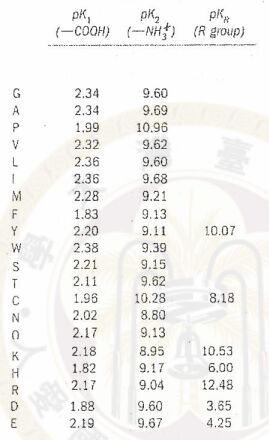 (A) 5.125. (B) 9.125. (C) 9.24. (D) 3.95. (E) 8.035.
 for catalysis. Under conditions of magnesium deficiency, when the enzyme may lack magnesium, it would be referred to as the: (A) substrate. (B) coenzyme. (C) holoenzyme. (D) prosthetic group. (E) apoenzyme.
 = +30.5 kJ/mol. The reaction as written: (A) can never occur in a cell. (B) can occur only in a cell in which NADH is converted to
 by electron transport. (C) can occur in a cell only if it is coupled to another reaction for which
 is negative. (D) can not occur because of its large activation energy. (E) may occur in cells spontaneously.
 (B) CO2 > -CO- > -COOH > -CHOH- > -
 (C) CO2 > -CO- > -CHOH- > -COOH >
 (D)
 > -CHOH- > -CO- > -COOH > CO2 (E)
 > -CHOH- > -COOH > -CO- > CO2
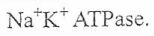 (B)
 (C) SERCA pump. (D) Aquaporin. (E)
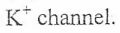
 (C)
 (D) Long chain odd number lipid. (E) Phytanic acid.
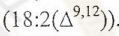 . (E) Insulin stimulates the conversion of carbohydrates and proteins to fat.
 via the urea cycle? (A) 4 and 5. (B) 1 and 5. (C) 1 and 4. (D) 3 and 6. (E) 2 only.
 via the urea cycle is
 generated in liver mitochondria is immediately used, together with CO2 (as
 ), to form carbamoyl phosphate. This ATP-dependent reaction is catalyzed by carbamoyl phosphate synthetase I. (E) Alanine can play the role to transport ammonia from skeletal muscles to the liver. In muscles, glutamate can transfer its α-amino group to pyruvate to form alanine by alanine aminotransferase.
 . (C) Chorismate is the parent compound for the synthesis of amino acids with aromatic ring. (D) Tyrosine can give rise to a family of neurotransmitter that includes dopamine and norepinephrine. (E) Glutamate can give rise to γ-aminobutyrate (GABA). It is a decarboxylation reaction requiring biotin.