所屬科目:學士後西醫-普通生物及生化概論
1. Which of the following descriptions about water lilies is NOT correct? (A) They are early diverging angiosperms. (B) They belong to the ANA (Amborella, Nymphaeales, and Austrobaileyales) grade of basal angiosperms. (C) The ABCDE model is the most suitable explanation for water lilies's flower development. (D) Flowers of water lilies are characterized by showy petals and stamens not clearly whorled. (E) Their flowers present a gradual morphological transition from the outer elements to the inner stamens.
2. Which plant hormone is adenine derivatives that promotes cell division? (A) Cytokinin. (B) Auxin. (C) Gibberellins. (D) Abscisic acid (E) Brassinosteroid.
3. Which of the following statements about polyploidy is NOT correct? (A) It is the heritable condition of possessing more than two complete sets of chromosomes (B) It is rare among plants but common among certain groups of fish and amphibians. (C) Allopolyploids rise due to the hybridization of two distinct species. (D) Higher vertebrates do not appear to tolerate polyploidy very well. (E) Heterosis and gene redundancy are advantages of polyploidy.
4. Which of the following descriptions of horizontal gene transfer (HGT) is NOT correct? (A) HGT is the movement of genetic information between organisms. (B) HGT includes the spread of antibiotic-resistance genes among bacteria. (C) HGT involves the replacement of existing genes with incoming DNA or RNA or the introduction of new genes into a genome. (D) HGT is a key evolutionary driver capable of facilitating host manipulation and viral resistance. (E) Bacterial HGT occurs by transformation and conjugation but not transduction.
5. Which description of the primary walls of plant cells is NOT correct? (A) They are formed by growing cells. (B) They are usually relatively unspecialized. (C) They are similar in molecular architecture in all cell types. (D) They are the cell plates first formed during cytokinesis (E) They have relatively low cellulose content.
6. The Curcuma genus (薑黃屬) has a long history of medicinal applications. Which description of 薑黃素(curcumin) is NOT correct? (A) It is extracted from Curcuma's stolons, which are plant stems growing at the soil surface. (B) It is a natural polyphenol. (C) It is an orange-yellow dye that is practically insoluble in water. (D) It is used in dairy products, beverages, cereals, mustard, and food concentrates. (E) It has antioxidant activity by scavenging a variety of reactive oxygen species (ROS).
7. Please choose the correct answers for the summary of land plant phylogeny. (A) a. monocots b. dicots c. mosses d. lycophytes (B) a. dicots t b. monocots c. lycophytes d. mosses (C) a. monocots b. dicots c. lycophytes d. mosses (D) a. dicots t b. monocots c mosses d. lycophytes (E) a. lycophytes b. monocots c dicots d. mosses
8. Which of the following descriptions about coenzyme Q is NOT correct? (A) It is also known as ubiquinone that is ubiquitous in animals and most bacteria (B) It is involved in the electron transport chain located in the mitochondrial inner membrane. (C) In human mitochondria, the most common coenzyme Q form is coenzyme . (D) It is sold as a dietary supplement but most healthy people have enough coenzyme naturally. (E) The capacity of this molecule acts as a one-electron carrier moving between the fully oxidized to the fully reduced states.
9. Which of the following descriptions about Candida albicans is NOT correct? (A) It is a polymorphic fungus. (B) It is a member of the healthy microbiota. (C) It is an opportunistic fungal pathogen that exists as a harmless commensal in the gastrointestinal and genitourinary tracts. (D) It can form biofilms on solid surfaces such as dental enamel and human heart valves. (E) It never causes severe, life-threatening bloodstream infections.
10. Artemisinin, isolated from the Chinese medicinal herb Artemisia annua, is an active ingredient to treat malaria. Which of the following descriptions is NOT correct? (A) Malaria is caused by Plasmodium sp. that proliferate in female Anopheles mosquitoes (B) Artemisinin originates from A. annua, a Chinese medicinal plant (Qinghao), commonly known as sweet wormwood. NT (C) Artemisinin is a sesquiterpene lactone with a unique endoperoxide structure that is mainly chemically synthesized for global supply. (D) Plant tissue culture has been investigated to establish a production of artemisinin. (E) Artemisinin can be produced heterologously in the plants Nicotiana benthamiana.
11. What is NOT correct about testosterone? (A) Binding to the androgen receptor. (B) Expressed in both sexes. (C) Affecting male aggression and reproduction. (D) Released from the testes and pituitary gland. (E) Acting as a precursor of estrogen.
12. In animal physiology, when differentiating between roundworms, annelids, and snakes, which characteristics could you use? (A) Radial symmetry and dorsal nerve cord. (B) Radial symmetry and worm-like body shape. (C) Segmentation and dorsal nerve tube. (D) Segmentation and bilateral symmetry. (E) Pseudocoelom and ventral nerve cord.
13. Which of the following is not a result of sexual selection? (A) Sexual dimorphism. (B) Infanticide. (C) Male competition. (D) Altruism. (E) Female choice.
14. What are the sex(s) of the model organism nematode worm, Caenorhabditis elegans? (A) Male and female. (B) Male and hermaphrodites. (C) Female and hermaphrodites. (D) Only hermaphrodites. (E) Male and female and hermaphrodites.
15. Most aquatic animals primarily excrete nitrogenous wastes as: (A) Ammonia. (B) Urea. (C) Uric acid. (D) Creatinine. (E) Nitrogen.
16. Which ion serves as the primary signal responsible for neurotransmitter release at the axon terminal and has been widely used to reflect neural activity?(A) Potassium efflux.(B) Sodium efflux.(C) Sodium influx.(D) Calcium efflux. (E) Calcium influx.
17. What is the primary factor enabling the rapid conduction of action potentials in the giant axons of squids? (A) Myelination. (B) Low threshold. (C) Increased sodium channels. (D) Multiple axons. (E) Large diameter.
18. Which receptor directly mediates the transmission of nerve impulses at the neuromuscular junction? (A) Nicotinic receptor. (B) Muscarinic receptor. (C) α Adrenergic receptor. (D) β Adrenergic receptor. (E) Orexin receptor.
19. What are the two neurohormones primarily released by magnocellular neurosecretory cells at the posterior pituitary? (A) Thyroxine and insulin. (B) Vasopressin and oxytocin. (C) Cortisol and adrenaline. (D) Growth hormone and prolactin. (E) Follicle-stimulating hormone and Luteinizing hormone.
20. The Nobel Prize in Physiology or Medicine 2014 was awarded for the discovery of place and grid cells, which are responsible for: (A) Circadian rhythm. (B) Special navigation. (C) CAT T cell therapy. (D) Spinal cord development (E) Cardiac regeneration
21. Identify the incorrect statement regarding the complex interactions within the gut-brain axis: (A) Short-chain fatty acids produced by gut microbiota can influence brain chemistry and behavior. (B) The gut-brain axis communicates through the central nervous system and the body's hormonal responses but does not involve immune responses. (C) Dysbiosis in the gut microbiota is linked to neurological and psychiatric disorders, such as depression and anxiety. (D) Gut microbiota can influence the epigenetic regulation of genes in the central nervous system, impacting neural development and function. (E) The gut-brain axis involves bidirectional communication, where not only does the gut influence brain function, but the brain also significantly affects gut microbiota composition and function.
22. Which of the following statements about the effects of oxaliplatin on SW480 colon cancer cells, as observed in the DNA content histogram plots, is incorrect? (A) An increase in the sub-G1 population after oxaliplatin treatment indicates a rise in apoptotic cells due to DNA fragmentation. (B) Oxaliplatin treatment leads to DNA damage in SW480 colon cancer cells. (C) The accumulation of cells in the G2/M phase after oxaliplatin treatment suggests cell cycle arrest at this phase. (D) Oxaliplatin treatment causes a majority of SW480 cells to pass through the G1 phase, indicating enhanced cell proliferation. (E) Cells with a 4N DNA content cannot be distinctly separated into G2 and M phases due to their similar DNA content.
23. Atrial enlargement involves the expansion of the heart's atrial chambers, often due to conditions like hypertension or heart valve issues. Which of the following statements about the surface electrocardiogram (ECG) findings in Lead II for atrial enlargement is incorrect?
(A) The ECG criteria for left atrial enlargement (LAE) displays Lead II (B)The ECG criteria for right atrial enlargement (RAE) displays Lead II (C) In cases of atrial enlargement, the QRS complex in Lead II is significantly widened. (D) The presence of atrial enlargement can lead to a deviation in the axis of the P- wave in Lead II. (E) The sinus node rhythm remains normal.
24. Which of the following statements about the ABO, Rh, and Bombay (hh) blood group systems is incorrect? (A) Individuals with the Bombay blood type do not express the H antigen, which is a precursor for A and B antigens, making them unable to form A or B antigens regardless of their genotype. (B) A person with the Bombay blood type will test as type O in standard ABO testing. (C) An individual with the Bombay blood type can safely receive blood from an ABO type O, Rh-negative donor without any risk of a hemolytic reaction. (D) In the Rh system, Rh-negative individuals do not have the D antigen on their red blood cells and can develop antibodies against Rh-positive blood. (E) People with AB blood type are universal recipients in the ABO system, but their Rh factor still determines compatibility with Rh-positive or Rh-negative blood.
25. Which of the following statements about parthenogenesis is correct? (A) Parthenogenesis, a form of asexual reproduction, always results in the production of genetically identical offspring, similar to cloning. (B) In arrhenotokous parthenogenesis, females are produced from unfertilized eggs, while males are produced from fertilized eggs. (C) In parthenogenesis, offspring produced are always genetically diverse due to the random combination of chromosomes during egg formation. (D) Artificially induced parthenogenesis through electric stimulation can lead to the development of embryos from unfertilized eggs in mammals. (E) Parthenogenesis is a common reproductive strategy in most mammalian species, including primates.
26. Which of the following statements about the etiology and treatment of Rheumatoid Arthritis (RA) is incorrect? (A) The efficacy of biologic DMARDs (Disease-Modifying Antirheumatic Drugs) in RA treatment is primarily due to their ability to replace damaged joint tissues through regenerative mechanisms. (B) Epigenetic modifications, such as DNA methylation and histone modifications, play a significant role in the pathogenesis of Rheumatoid Arthritis by influencing gene expression related to immune response. (C) The presence of specific autoantibodies, such as rheumatoid factor (RF) and anti-citrullinated protein antibodies (ACPAs), is a key diagnostic marker and plays a role in the pathogenesis of RA. (D) Environmental factors such as smoking and obesity are known to increase the risk of developing RA and can exacerbate the severity of the disease. (E) Gut microbiota dysbiosis has been implicated in the pathogenesis of RA, with certain bacterial species potentially triggering or exacerbating the autoimmune response.
27. Which of the following organelles does not correctly match its membrane structure? (A) Mitochondria - Double membrane. (B) Centrosome - No membrane-bound. (C) Nucleus - Double membrane. (D) Autophagosome - Single membrane. (E) Phagophore - Single-membrane.
28. Which statement incorrectly describes the application of Next-Generation Sequencing (NGS) and Single-cell RNA sequencing (scRNA-seq) technologies? (A) Size selection during library preparation in NGS is crucial for ensuring the uniformity of fragment lengths, which impacts the efficiency and accuracy of sequencing. (B) Fragmentation is not a concern in NGS as modern sequencing technologies can accurately reconstruct entire genomes from small DNA fragments. (C) NGS-based transcriptomic profiling can accurately quantify gene expression levels, but it is unable to capture post-transcriptional modifications such as RNA editing events. (D) scRNA-seq uncovers the dynamics of immune cell activation and differentiation in response to cancer immunotherapy. (E) Both NGS and scRNA-seq are critical in the field of evolutionary editing events.
29. Which of the following statements about the roles of gaseous signaling molecules in various biological processes is incorrect? (A) Nitric oxide (NO) acts as a vasodilator in the cardiovascular system and plays a crucial role in regulating blood pressure. (B) Carbon monoxide (CO) is exclusively a toxic byproduct of combustion and has no significant role in cellular signaling or physiological processes. (C) Hydrogen sulfide (H2S) is involved in neuromodulation and has been shown to have protective effects in certain neurodegenerative diseases. (D) In cancer biology, gaseous signaling molecules like NO can influence tumor growth and metastasis by modulating the tumor microenvironment. (E) Gaseous signaling molecules play a role in the immune system, where they can modulate immune responses and inflammation.
30. Which of the following statements about human lung physiology and function is NOT true? (A) Oxyhemoglobin forms carbamino compounds more readily than De- oxygenated hemoglobin. (B) The soluble enzyme carbonic anhydrase II (CAII) plays an important role in CO2 influx and efflux by red blood cells. (C) The meaning of Bohr effect is CO2 reacts with water, forming carbonic acid, which lowers the pH of its surroundings. Low pH decreases the affinity of hemoglobin for O2. (D) In arterial blood, Pco2 is 5.3k Pa (40mmHg). (E) In mixed venous blood, Pco2 is 6.1 kPa (46 mm Hg).
31. Which of the following reaction would favor cellular gluconeogenesis in the fasted state? (A) AMP activates phosphfructokinase 1. (B) Fructose 2,6-bisphosphate activates pyruvate kinase. (C) Acetyl-CoA activates pyruvate carboxylase. (D) NAD+ activates glyceraldehyde 3-phosphate dehydrogenase. (E) None of the above.
32. Which description is true for deoxyribonucleotide? (A) cannot be synthesized in human cells (B) can be synthesized through ribonucleotide reductase (C) GTP is used as a energy donor during this reaction (D) can be obtained through nucleotide salvage pathway (E) none of the above
33. Which of the following amino acid is a nonessential amino acid with essential role in the production of epinephrine, norepinephrine and dopamine. (A) Tyrosine (B) Histidine (C) Leucine (D) Proline (E) Methionine
34. Which of the following amino acid is a pure ketogenic amino acid means its carbon skeleton can be used for the synthesis of ketone bodies but not glucose? (A) Lysine (B) Glycine (C) Proline (D) Methionine (E) Tryptophan
35. The enzyme, phosphoribosyltransferase, is involved in all of the following reactions except? (A) de novo synthesis of pyrimidine base (B) de novo synthesis of purine base (C) salvage reaction of pyrimidine base (D) salvage reaction of purine base (E) none of the above
36. Phospholipids contribute to cell functions except? (A) cell signaling (B) plasma membrane protein activation (C) mediator of acute inflammatory reaction (D) fat absorbtion in intestine (E) mitochondrial transport
37. Carnitine transport of fatty acids from the cytosol to the mitochondria is important for fatty acid catabolism. Which of the following statement is not ture? (A) the reaction is energy required (B) free carnitine and acyl-carnitine can be exchanged across mitochondrial inner membrane (C) release of CoASH from fatty acyl CoA in the cytosol side (D) carnitine:acylcarnitine translocase plays essential role in this reaction (E) carnitine palmitoyl transferase 1 and 2 located on outer- and inner- mitochondrial membrane, respectively.
38. Acetyl-CoA carboxylase deficiency is observed in newborn baby resulting to metabolic disorder. In case a baby is suffering from acetyl-CoA carboxylase deficiency, what metabolites will be accumulated in the urine and serum? (A) malonyl-CoA (B) long-chain fatty acids (C) hydroxybutyric acid (D) short-chain fatty acids (E) acetoacetic acid
39. Regarding the degradation of purine, all of the following molecules are the product of purine degradation EXCEPT: (A) hypothanthine (B) beta-alanine (C) xanthine (D) uric acid (E) guanine
40. 5-Bromouracil is a brominated derivative of uracil that acts as an anti-proliferation activity, which of the following statement is incorrect for 5-Bromouracil? (A) 5-Bromouracil acts as a base analog, substituting for thymine in DNA (B) 5-Bromouracil causes transition mutation of DNA (C) 5-Bromouracil used mainly as an experimental mutagen (D) The keto form of 5-Bromouracil is complementary to guanine, so it can be present in DNA either opposite adenine or guanine during DNA replication (E) 5-Bromouracil induces a point mutation via base substitution
41. Which of the following amino acids will migrate to the positive electrode on the electrophoresis paper at pH 6.0? (A) Lysine (B) Arginine (C) Tyrosine (D) Asparagine (E) Proline
42. Which chemical classification does proline belong to? (A) Amphipathic amino acid (B) Aromatic amino acid (C) Imino acid (D) Basic amino acid (E) Acidic amino acid
43. Which of the following metabolic enzymes is NOT directly regulated by the ATP level? (A) Pyruvate kinase M2 (B) Phosphofructokinase (C) Pyruvate dehydrogenase (D) Isocitrate dehydrogenase (E) a-Ketoglutarate dehydrogenase
44. A sample containing three proteins (A, B, and C) was analyzed by SDS-PAGE, as shown below. Size exclusion chromatography (also known as gel filtration) was utilized for their separation. Which protein will elute first through size exclusion chromatography? (A)A (B)B (C)C (D) It depends on the shape and oligomerization state of the proteins. (E) It depends on the isoelectric point (pI) of the proteins.
45. Which of the following statements accurately describes the Warburg effect? (A) It involves the preferential use of oxidative phosphorylation over glycolysis in cancer cells. (B) It describes the upregulation of gluconeogenesis in normal cells under hypoxic conditions. (C) It signifies the increased reliance of cancer cells on glycolysis, even in the presence of oxygen. (D) It indicates the decreased glucose uptake in tumors compared to healthy tissues. (E) The net effect is to increase the level of ATP.
46. The following plot is for an enzyme with multiple ligand binding sites. Which statement is True for this enzyme? (x: ligand concentration; y: fractional saturation) (A) This enzyme is a non-allosteric oligomer. (B) The Hill coefficient for this enzyme is 2. (C) ligand binding favors another ligand binding. (D) ligand binding disfavors another ligand binding. (E) The Hill coefficient for this enzyme is -0.5.
47. The diagram depicts the mechanism of a protease inhibitor. What is the target of this inhibitor? (A) Papain (B) Chymotrypsin (C) Pepsin (D) Carboxypeptidase A (E) Chymosin
48. Scientists covered an affinity chromatography column with microtubules for protein purification. Which of the following proteins would most likely be separated in this method? (A) Tubulin (B) Kinesin (C) Myosin (D) Actin (E) Lamin
49. Electrophoresis mobility shift assay (EMSA) is a sensitive method to detect protein-DNA interactions. The proteins and fluorescent DNA were combined as indicated and electrophoresed under native conditions, as shown below. Which of the following statements would be most likely? (A) Protein B binds to the DNA independent of protein A. (B) Protein A binds to the DNA only in the presence of protein B. (C) Protein A and protein B compete for DNA binding. (D) Protein A and protein B form a protein complex before binding to the DNA. (E) Protein B binds to the protein A-DNA complex, resulting in a ternary complex.
50. Production of recombinant proteins in Escherichia coli is a common tool for research and industrial production of proteins. However, during affinity column purification, DnaK, unwanted contamination, is often coeluted with proteins of interest (POI). Which of the following statements about DnaK is TRUE? (A) DnaK binds to the charged regions of the POI and ADP can dissociate the interaction of Dnak with POI. (B) DnaK binds to the hydrophobic regions of the POI and ATP can dissociate the interaction of Dnak with POI. (C) DnaK binds to the polar regions of the POI and GTP can dissociate the interaction of Dnak with POI. (D) DnaK binds to the hydrophobic regions of the POI and GTP can dissociate the interaction of Dnak with POI. (E) DnaK binds to the charged regions of the POI and ATP can dissociate the interaction of Dnak with POI.
51. Based on the enzyme reaction plot shown below, which of the following statements is correct? (A) The of hexokinase IV for glucose is ~10 mM. (B) Hexokinase I works more efficiently than hexokinase IV when the blood glucose concentration is higher than 10 mM. (C) The of hexokinase I for glucose is ~5 mM. (D) Hexokinases catalyze a reaction that adds an AMP group to glucose. (E) At normal fasting conditions, hexokinase IV works better than hexokinase I .
52. Which of the following statements about the initial step of the reaction catalyzed by thermolysin is NOT correct? (A) The enzyme reaction involves the general acid-base catalysis. (B) A glutamate residue deprotonates water and promotes hydroxide attack on the carbonyl carbon of the substrate. (C) The ion stabilizes the buildup of negative charge on the peptide carbonyl oxygen. (D) Collapse of the unstable tetrahedral intermediate links the substrate to the glutamate residue covalently. (E) The enzyme is a member of hydrolases.
53. Which of the following is NOT a property of phosphoglucoisomerase? (A) The carbonyl oxygen of glucose-6-phosphate is shifted from position C-1 to C-2. (B) The enzyme catalyzes the conversion of glucose-6-phosphate to glucose-1- phosphate. (C) The reaction involves the opening of the pyranose ring. (D) The reaction involves an aldose and a ketose. (E) The reaction involves the formation of an enediol intermediate.
54. Proteins can be modified with small regulatory proteins like ubiquitins and small ubiquitin-like protein modifiers (SUMO). Which of the following descriptions about SUMO is NOT correct? (A) SUMO are a highly conserved family of proteins found in all eucaryotes. (B) SUMO are covalently ligated to lysine residues in target proteins. (C) Sumoylated proteins are primarily targeted to the proteasome for destruction. (D) Protein sumoylation is primarily a 3-enzyme conjugating system. (E) Protein sumoylation can be reversed by a small number of isopeptidases that cleave the target protein-SUMO linkages.
55. The Hsp70 molecular chaperones are a group of proteins that assist nascent protein folding. Which of the following statements about the E. coli Hsp70 is NOT correct? (A) In Hsp70-assisted folding, the chaperone binds to nascent polypeptide chains while they are still on the ribosomes. (B) The DnaJ protein binds unfolded proteins during protein synthesis and delivers them to the DnaK: ATP complex. (C) The Dnak protein recognizes exposed, extended regions of polypeptides that are rich in hydrophilic residues. (D) Interaction of DnaK with DnaJ triggers the ATPase activity of DnaK. The resulting DnaK: ADP complex forms a stable complex with the unfolded polypeptide. (E) The reaction cycle requires a nucleotide exchange protein GrpE.
56. Which of the following descriptions about pyrimidine synthesis is NOT correct? (A) The pathway commences with the conversion of bicarbonate and glutamine into carbamoyl phosphate. In mammalian cells, carbamoyl phosphate synthetases- II is the major enzyme responsible for the reaction. (B) Carbamoyl phosphate reacts with aspartate to produce carbamoyl aspartate. The enzyme aspartate transcarbamoylase catalyzes this reaction. (C) The enzyme dihydroorotase converts carbamoyl aspartate into dihydroorotate. This step does not involve the incorporation of any atoms from the other substrates. (D) Dihydroorotate is combined with 5-phosphoribosyl-1-pyrophosphate to form UMP. This step is catalyzed by orotate phosphoribosyltransferase. (E) Unlike purines, pyrimidines are not synthesized as nucleotide derivatives. The synthesis of the pyrimidine ring is completed before a ribose-5-phosphate moiety is attached.
57. Which of the following statements about E. coli RNA polymerase is correct? (A) The enzyme is composed of four subunits, namely αβρσ. (B) It requires the assistance of a DNA helicase to unwind double-stranded DNA for initiation of transcription. (C) The o subunit is responsible for recognizing the promoter sequence. (D) The o subunit is dissociated from the enzyme complex when the mRNA synthesis is complete. (E) The growth direction of the RNA chain is from 3' to 5'.
58. Which of the following statements about eukaryotic RNA polymerase II is correct? (A) The yeast RNA polymerase II is composed of 12 different protein subunits. (B) All three eukaryotic RNA polymerases share two common protein subunits. (C) The enzyme is usually located in the nucleolus. (D) The enzyme is mainly responsible for the transcription of tRNA and 5S rRNA genes. (E) Among the three eukaryotic RNA polymerases, RNA polymerase II activity is less inhibited by a-amanitin.
59. Which of the following statements about kcat is correct? (A) kcat is an indicator of the purity of an enzyme preparation. (B) kcat represents the substrate concentration required for an enzyme to reach50% of its maximum reaction velocity. (C) kcat reflects the half-life of an enzyme. (D) kcat represents the pH value at which the product dissociated from the enzyme. (E) kcat is defined as the number of substrates converted to products per enzyme molecule per unit time when the substrate concentration is saturated.
60. The structural and functional advantages of protein quaternary association do NOT include: (A) It can improve protein stability by reducing the combined molecular surface- to-volume ratio. (B) It can significantly enhance the efficiency of protein transportation. (C) The combination of different subunits can achieve synergy and function regulation. (D) Because same protein subunits can be assembled to form enzymes of different activities, genes can be used more efficiently. (E) Several functional groups required for the catalytic reaction can be brought together to form a functional enzyme catalytic center NTHU114
 阿摩線上測驗
登入
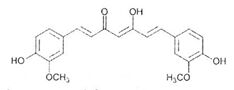 (A) It is extracted from Curcuma's stolons, which are plant stems growing at the soil surface. (B) It is a natural polyphenol. (C) It is an orange-yellow dye that is practically insoluble in water. (D) It is used in dairy products, beverages, cereals, mustard, and food concentrates. (E) It has antioxidant activity by scavenging a variety of reactive oxygen species (ROS).
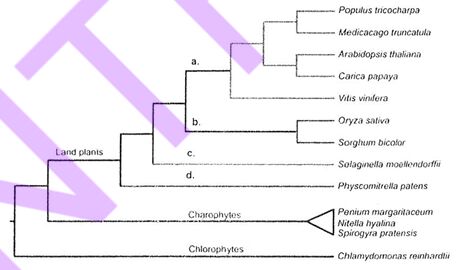 (A) a. monocots b. dicots c. mosses d. lycophytes (B) a. dicots t b. monocots c. lycophytes d. mosses (C) a. monocots b. dicots c. lycophytes d. mosses (D) a. dicots t b. monocots c mosses d. lycophytes (E) a. lycophytes b. monocots c dicots d. mosses
 . (D) It is sold as a dietary supplement but most healthy people have enough coenzyme
 naturally. (E) The capacity of this molecule acts as a one-electron carrier moving between the fully oxidized to the fully reduced states.
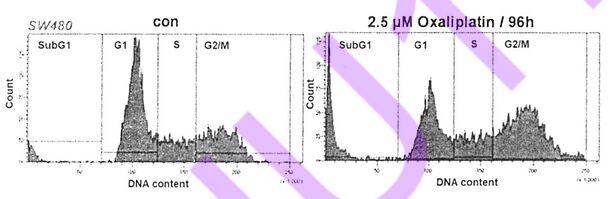 (A) An increase in the sub-G1 population after oxaliplatin treatment indicates a rise in apoptotic cells due to DNA fragmentation. (B) Oxaliplatin treatment leads to DNA damage in SW480 colon cancer cells. (C) The accumulation of cells in the G2/M phase after oxaliplatin treatment suggests cell cycle arrest at this phase. (D) Oxaliplatin treatment causes a majority of SW480 cells to pass through the G1 phase, indicating enhanced cell proliferation. (E) Cells with a 4N DNA content cannot be distinctly separated into G2 and M phases due to their similar DNA content.
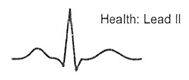
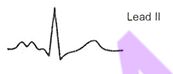 (B)The ECG criteria for right atrial enlargement (RAE) displays Lead II
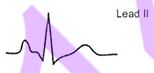 (C) In cases of atrial enlargement, the QRS complex in Lead II is significantly widened. (D) The presence of atrial enlargement can lead to a deviation in the axis of the P- wave in Lead II. (E) The sinus node rhythm remains normal.
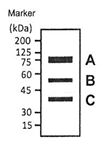 (A)A (B)B (C)C (D) It depends on the shape and oligomerization state of the proteins. (E) It depends on the isoelectric point (pI) of the proteins.
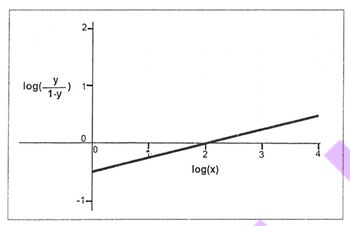 (A) This enzyme is a non-allosteric oligomer. (B) The Hill coefficient for this enzyme is 2. (C)
 ligand binding favors another ligand binding. (D)
 ligand binding disfavors another ligand binding. (E) The Hill coefficient for this enzyme is -0.5.
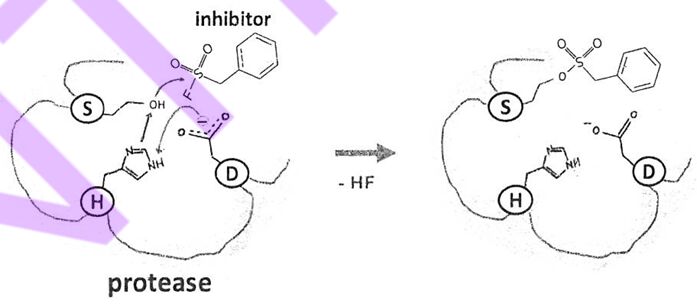 (A) Papain (B) Chymotrypsin (C) Pepsin (D) Carboxypeptidase A (E) Chymosin
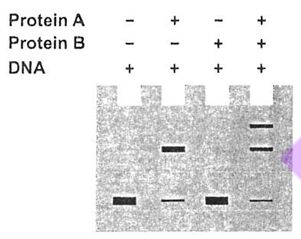 (A) Protein B binds to the DNA independent of protein A. (B) Protein A binds to the DNA only in the presence of protein B. (C) Protein A and protein B compete for DNA binding. (D) Protein A and protein B form a protein complex before binding to the DNA. (E) Protein B binds to the protein A-DNA complex, resulting in a ternary complex.
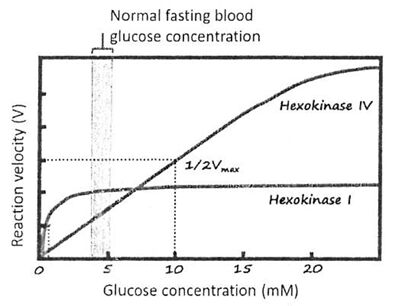 (A) The
 of hexokinase IV for glucose is ~10 mM. (B) Hexokinase I works more efficiently than hexokinase IV when the blood glucose concentration is higher than 10 mM. (C) The
 of hexokinase I for glucose is ~5 mM. (D) Hexokinases catalyze a reaction that adds an AMP group to glucose. (E) At normal fasting conditions, hexokinase IV works better than hexokinase I .
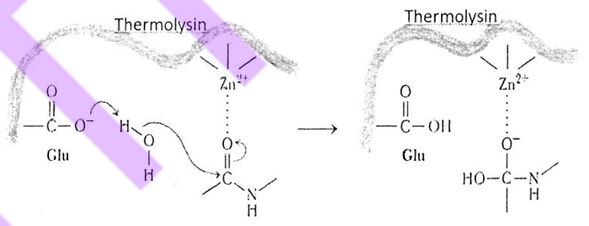 (A) The enzyme reaction involves the general acid-base catalysis. (B) A glutamate residue deprotonates water and promotes hydroxide attack on the carbonyl carbon of the substrate. (C) The
 ion stabilizes the buildup of negative charge on the peptide carbonyl oxygen. (D) Collapse of the unstable tetrahedral intermediate links the substrate to the glutamate residue covalently. (E) The enzyme is a member of hydrolases.