所屬科目:學士後西醫-普通生物及生化概論
1. What is a key adaptation that allows plants to colonize land? (A) Ability to live in water (B) Protection of embryos (C) Ability to perform photosynthesis (D) Development of vascular tissue for transport (E) Ability to attract pollinators
2. Natural selection changes allele frequencies because some _____ survive and reproduce better than others. (A) alleles (B) loci (C) species (D) individuals (E) ecosystems
3. In an ecosystem, if an insect that consumes plant seeds containing 100 J, using 30 J for respiration and excreting 50 J in its feces, what is the insect’s net secondary production, and what is its production efficiency? (A) 20 J; 20% (B) 50 J; 50% (C) 30 J; 30% (D) 70 J; 70% (E) 80 J; 80%
4. How do insects exchange gases? (A) Using lungs (B) Through skin diffusion (C) Via tracheal system (D) Through hemoglobin (E) With gills
5. Heartwood and sapwood consist of _____. (A) bark (B) periderm (C) secondary phloem (D) secondary xylem (E) vascular cambium
6. What is the primary function of the plant hormone auxin? (A) Inhibit seed germination (B) Promote cell elongation and phototropism (C) Stimulate stomatal closure (D) Reduce transpiration (E) Activate pathogen defense mechanisms
7. In angosperm, what does double fertilization mean? (A) One sperm is needed to fertilize the egg, and a second sperm fuses with the two nuclei in the large central cell of the female gametophyte. (B) Every egg must receive two sperm to produce an embryo. (C) Flowers must be pollinated twice to yield fruits and seeds. (D) The pollen grain must germinate twice to produce a pollen tube. (E) Fertilization must occur both in the spring and in the fall.
8. What is a defining feature of ascomycetes that distinguishes them from other fungal groups? (A) The production of non-flagellated spores in sporangia (B) The presence of zygosporangia in sexual reproduction (C) The formation of spores in sac-like structures (D) The presence of flagellated spores in their life cycle (E) The development of fruiting bodies called basidiocarps
9. Which one is NOT involved in long-term potentiation of the brain? (A) Glutamate (B) Mg2+, Na+, Ca2+ (C) NMDA receptor (D) AMPA receptor (E) P granules
10. A mutation changes a codon from GAC to UAC in the mRNA coding region. Which of the following best describes this mutation? (A) A missense mutation (B) A nonsense mutation (C) A silent mutation (D) A frameshift mutation (E) A neutral mutation that enhances protein function
11. Which of the following statements best describes the process of hermaphroditism in animals? (A) An individual produces only male gametes during its lifetime. (B) An individual produces only female gametes during its lifetime. (C) An individual produces both male and female gametes. (D) An individual alternates between producing male and female gametes at different times. (E) An individual reproduces asexually via fragmentation.
12. Which one is NOT produced during gastrulation? (A) Ectoderm (B) Germ layers (C) Blastopore (D) Archenteron (E) Blastomeres
13. Which plant-derived medicine and their usage is NOT matched? (A) Digitalin - heart medication (B) Atropine - throat soother (C) Vinblastine - cancer therapy (D) Quinine - malaria prevention (E) Taxol - cancer therapy
14. During prophase I of meiosis, what is the primary function of the synaptonemal complex? (A) It cleaves cohesins to allow sister chromatids to separate. (B) It attaches kinetochores to the spindle fibers. (C) It prevents crossing over between sister chromatids. (D) It holds homologous chromosomes tightly together to facilitate crossing over. (E) It condenses the chromosomes before metaphase.
15. Proto-oncogenes can be over-activated by following conditions EXCEPT _____. (A) epigenetic changes (B) chromosome translocation (C) gene amplification (D) point mutation (E) transduction
16. What is the primary source of one-carbon units for tetrahydrofolate? (A) Conversion of glycine to serine (B) Conversion of serine to glycine (C) Conversion of methionine to homocysteine (D) Conversion of histidine to glutamate (E) Conversion of succinyl-CoA to methylmalonyl-CoA
17. Which of the following statements correctly describes the role of pyridoxal phosphate (PLP) in aminotransferase reactions? (A) PLP is the coenzyme form of vitamin B12. (B) PLP cannot accept an amino group. (C) PLP is generally covalently bound to the enzyme's active site through a peptide bond. (D) PLP is only involved in the metabolism of carbohydrates. (E) PLP functions as an intermediate carrier of amino groups at the active site of aminotransferases.
18. Which of the following statements about amino acid residues is correct? ① Phenylalanine has UV absorption at 260 nm. ② Glycine has a positive net charge at acidic solutions. ③ The side chain of serine cannot be ionized. ④ Isoleucine and leucine have the same molecular weight. ⑤ Cysteine can be oxidized to form cystine. (A) ①②③ (B) ①③④ (C) ①④⑤ (D) ②④⑤ (E) ③④⑤
19. Which intermediate is formed during the carboxylation of propionyl-CoA by propionyl-CoA carboxylase? (A) Acetyl-CoA (B) Citrate (C) Succinyl-CoA (D) Pyruvate (E) Carboxybiotin
20. Which of the following statements correctly describes the role of hormones in the coordinated regulation of glycolysis and gluconeogenesis in liver? (A) Glucagon stimulates glycolysis and inhibits gluconeogenesis. (B) Insulin stimulates gluconeogenesis and inhibits glycolysis. (C) Glucagon decreases the levels of fructose-2,6-bisphosphate and inhibits glycolysis. (D) Insulin increases the levels of fructose-2,6-bisphosphate and inhibits glycolysis. (E) Epinephrine inhibits both glycolysis and gluconeogenesis.
21. Which of the following substances is necessary for the synthesis of palmitate?
① FADH2 ② Malonyl-CoA ③ NADPH ④ NADH ⑤ Acetyl-CoA (A) ①②③ (B) ①②④ (C) ①④⑤ (D) ②③⑤ (E) ①②⑤
22. Which of the following enzyme-catalyzed steps in glycolysis is performed by different enzymes in gluconeogenesis?
① Hexokinase ② Pyruvate kinase ③ Aldolase ④ Phosphofructokinase ⑤ Phosphoglycerate kinase (A) ①②③ (B) ②③④ (C) ①②④ (D) ②③⑤ (E) ①②⑤
23. Which of the following cofactors is essential for the activity of several key enzymes in glycolysis, primarily by forming a complex with ATP? (A) Zinc ion (B) Cobalamin (Vitamin ) (C) Thiamine pyrophosphate (TPP) (D) Pyridoxal phosphate (PLP) (E) Magnesium ion
24. Which protein complex in the mitochondrial electron transport chain has the largest molecular weight and is also inhibited by rotenone? (A) Complex I (NADH: ubiquinone oxidoreductase) (B) Complex II (Succinate dehydrogenase) (C) Complex III (Cytochrome bc₁ complex) (D) Complex IV (Cytochrome oxidase) (E) Complex V (ATP synthase)
25. Which molecule plays a key regulatory role in glycolysis, fat metabolism, and the pentose phosphate pathway (PPP)? (A) Fructose 6-bisphosphate (B) Xylulose 5-phosphate (C) Citrate (D) Phosphoenolpyruvate (PEP) (E) NADPH
26. RNA is more susceptible to hydrolytic cleavage than DNA due to structural differences. Which of the following best explains its increased instability? (A) RNA lacks complementary base pairing, reducing structural stability. (B) RNA contains uracil instead of thymine, making it more susceptible to degradation. (C) RNA lacks the double-helix structure of DNA, reducing protection from external damage. (D) RNA is more chemically reactive than DNA due to its ribose sugar. (E) The 2'-hydroxyl (-OH) group in RNA facilitates self-cleavage under alkaline conditions.
27. Which statement about histones is correct?
① Histones are negatively charged proteins that stabilize the DNA double helix.
② Lysine and arginine residues of histones can be methylated.
③ Histone octamer contains H2A, H2B, H3, and H4.
④ Deacetylation of histones is not involved in epigenetic regulation.
⑤ H1 is involved in linking nucleosomes. (A) ①②③ (B) ①③④ (C) ②③④ (D) ②③⑤ (E) ③④⑤
28. What is the primary function of reverse transcriptases in retroviruses? (A) To synthesize RNA from a DNA template (B) To convert RNA genomes into double-stranded DNA (C) To degrade viral RNA (D) To synthesize telomere ends of chromosomes (E) To insert RNA introns into DNA genes
29. Which kinase in MAPK cascade is responsible for phosphorylating both Thr and Tyr residues on its substrate? (A) Raf-1 (B) ERK (C) MEK (D) IRS1 (E) Grb2
30. An enzymatic reaction has a maximum velocity of 30 µM/min and a Michaelis constant of 50 µM. If the substrate concentration ([S]) is 25 µM, what is the reaction velocity (v)? (A) 7.5 μM/min (B) 10 μM/min (C) 15 μM/min (D) 20 μM/min (E) 25 μM/min
31. Which virus and its class/family is NOT matched? (A) Zika virus - Flavivirus (B) Ebola virus - Filovirus (C) Epstein-Barr virus - Herpesvirus (D) Measles virus - Parvovirus (E) Hepatitis A virus - Picornavirus
32. Which of the following is an adaptation that enhances the uptake of water and minerals by roots? (A) Large leaves (B) Pumping through plasmodesmata (C) Active uptake by vessel elements (D) Rhythmic contractions by cells in the root cortex (E) Mycorrhizae
33. Which of the following is present in angiosperms but NOT in gymnosperms? (A) Seeds (B) Pollen (C) Ovaries (D) Ovules (E) Vascular tissue
34. In plant vascular system, what primary characteristic enables phloem sap to move bidirectionally? (A) Positive pressure gradient (B) Living sieve-tube elements (C) Proton pump mechanisms (D) Symplastic communication (E) Companion cell interactions
35. In the genetic self-incompatibility (SI) system of angiosperms, which molecular mechanism most commonly prevents self-fertilization? (A) RNA-directed DNA methylation blocking pollen tube growth. (B) Ubiquitin-mediated degradation of incompatible pollen proteins. (C) CRISPR-like genome editing in the pollen grain before fertilization. (D) Epigenetic silencing of self-recognition genes in the ovule. (E) Caspase-dependent apoptosis of self-pollen after stigma contact.
36. How do C3, C4, and CAM plants differ in their carbon fixation strategies? (A) C3 plants use the Calvin cycle only, while C4 and CAM plants have additional mechanisms to reduce photorespiration. (B) C4 plants keep stomata open at night for CO₂ intake, while CAM plants do so during the daytime for photosynthesis. (C) CAM plants directly convert fixed carbon into glucose. (D) C3 plants store CO₂ as malate in their cells before using it for photosynthesis. (E) C4 and CAM plants rely only on rubisco for carbon fixation.
37. If a plant chloroplast is observed to have a damaged stroma, which of the following processes would be most immediately affected? (A) Light absorption (B) ATP synthesis in the thylakoid (C) Sugar synthesis (D) Oxygen production (E) Electron transport within the thylakoid membrane
38. How might the duplication, rearrangement, and mutation of DNA contribute to genome evolution? (A) They prevent the formation of new genes. (B) They always lead to harmful mutations and diseases. (C) They stabilize the genome and prevent any changes over time. (D) They ensure that all genes are expressed at the same level. (E) They provide the raw material for natural selection to act upon, potentially leading to new functions and adaptations.
39. Which statement best describes the difference between genotype and phenotype? (A) Genotype is the observable trait, but phenotype is the genetic makeup. (B) Genotype is inherited, but phenotype is influenced by the environment. (C) Phenotype determines genotype. (D) They are identical in all individuals. (E) Phenotype is unrelated to genes.
40. The ENCODE project revealed that a large portion of the genome is transcribed into RNAs, far more than can be accounted for by protein-coding genes. What is a likely role that these RNAs might play? (A) Serve as templates for protein synthesis (B) Catalyze metabolic reactions in the cytoplasm (C) Act as structural components of ribosomes (D) Transport amino acids to the ribosome (E) Regulate gene expression by blocking translation or causing degradation of mRNA
41. Which of the following best describes the significance of the Ediacaran biota? (A) They are the first multicellular organisms. (B) They represent a major increase in marine predation. (C) They mark the beginning of complex animal life. (D) They are the dominant life forms during the Cambrian explosion. (E) They are primarily unicellular organisms.
42. During vertebrate embryonic development, which of the following is a key function of the organizer region? (A) It determines the fate of individual cells by direct contact only. (B) It initiates gastrulation by forming the primitive streak in all vertebrates. (C) It provides nutrients to developing cells, similar to the placenta. (D) It exclusively controls limb formation and patterning. (E) It directs the formation of body axes through signaling molecules.
43. Scientists studying the SNPs (single nucleotide polymorphisms) in the human genome have found that groups of SNPs tend to be inherited together in blocks known as haplotypes. What explains this observation? (A) Independent assortment during meiosis. (B) Crossing over is a random event, and the chance of it occurring between two loci increases with distance; SNPs located very close to each other are genetically linked and rarely separated by crossing over. (C) The presence of many protein-coding genes located in these regions. (D) Random mutations occurring at the same rate across the genome. (E) Natural selection favoring the inheritance of specific SNP combinations.
44. One characteristic that distinguishes a population in an extinction vortex from most other populations is that _____. (A) its members are rare, top-level predators (B) its number on chromosome is fixed (C) it is not well-adapted to its current environment (D) its effective population size is lower than its total population size (E) it lives in a fragmented habitat
45. Mosquitoes resistant to the pesticide DDT first appeared in India in 1959 and are now found worldwide. What is the most likely explanation for the global spread of DDT resistance? (A) Mosquitoes in different regions learned to avoid DDT independently. (B) DDT directly caused mutations in mosquitoes, making them resistant. (C) Resistant mosquitoes migrated from India to other parts of the world. (D) All mosquitoes gradually developed resistance over time due to exposure to DDT. (E) DDT resistance was present in all mosquito populations but only became apparent after DDT was widely used.
46. A cell receives a signal that prevents it from passing the G1 checkpoint. What is the most likely outcome for this cell? (A) It will exit the cell cycle and enter the G0 phase. (B) It will proceed directly to the S phase. (C) It will immediately enter the M phase. (D) It will undergo uncontrolled cell division. (E) It will immediately begin apoptosis.
47. Why do RNA viruses require their own supply of certain enzymes? (A) Host cells translate RNA directly into DNA. (B) Host cells cannot replicate RNA from an RNA template. (C) RNA viruses lack genetic material for protein synthesis. (D) Host enzymes destroy viral RNA immediately upon entry. (E) RNA viruses only infect non-dividing cells without enzymes.
48. Certain genes in Fungi Laccaria bicolor are highly upregulated in mycorrhizae. What can be inferred from this? (A) These genes are essential for the symbiotic relationship between the fungus and plant. (B) These genes are only expressed when the fungus is not in contact with a plant. (C) These genes are related to primary metabolism. (D) These genes are related to asexual reproduction. (E) These genes are related to decomposition.
49. Why is a closed circulatory system more efficient than an open circulatory system? (A) It eliminates the need for a heart to pump blood throughout the body. (B) It uses less energy than an open circulatory system, making it more efficient. (C) Blood freely bathes organs, increasing nutrient absorption and oxygen delivery. (D) It only transports oxygen, not other nutrients or metabolic waste. (E) Blood is contained within vessels, allowing for higher pressure and faster circulation.
50. Which of the following best describes a difference between the sympathetic and parasympathetic divisions of the autonomic nervous system? (A) The sympathetic division controls only voluntary movements. (B) Both divisions activate skeletal muscle contractions during stress. (C) The postganglionic neurons of the sympathetic division release acetylcholine, while those of the parasympathetic division release norepinephrine. (D) The sympathetic division prepares the body for action, while the parasympathetic division promotes rest and digestion. (E) The sympathetic division forms synapses near target organs, while the parasympathetic division synapses close to the spinal cord.
51. What is the role of the Golgi apparatus in the protein secretion pathway? (A) Synthesizing proteins (B) Packaging and modifying proteins for transport (C) Breaking down proteins (D) Folding proteins (E) Generating ATP for protein transport
52. How does countercurrent exchange in fish gills enhance oxygen absorption? (A) Blood and water flow oppositely, maximizing oxygen diffusion (B) Water flows faster, increasing oxygen intake (C) Blood absorbs oxygen actively, not passively (D) Gills store oxygen for later use (E) Oxygen moves from low to high concentration
53. What is the significance of sister chromatid cohesion in meiosis? (A) It ensures the separation of homologous chromosomes in meiosis II. (B) It allows for the formation of a tetrad during metaphase I. (C) It holds sister chromatids together and is essential for proper chromosome alignment during meiosis I. (D) It is necessary for the pairing of homologous chromosomes. (E) It is needed for the separation of non-sister chromatids.
54. How is lung volume changed during inhalation in mammals? (A) By decreasing the volume of the thoracic cavity via muscle contraction. (B) By the movement of the diaphragm and rib muscles, increasing thoracic volume. (C) By the elastic recoil of the lungs, which expands them directly. (D) By the contraction of muscles within the lungs themselves, expanding the volume. (E) By the increase of pressure within the lung, forcing expansion.
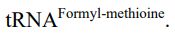
55. Which one about translation in bacteria is correct? (A) The initiator tRNA is (B) Initial binding of mRNA requires a 7-methylguanosine cap. (C) Selection of a start codon is according to Kozak’s sequence. (D) The termination factor is eRF. (E) The ribosomes composition are 80S ribosomes.
56. Which one about the oogenesis of human female is NOT correct? (A) Oogenesis begins in the embryonic development. (B) Oogonia are divided by mitosis to form primary oocytes. (C) Primary oocytes are arrested at prophase of meiosis I. (D) Secondary oocytes complete meiosis II at ovulation. (E) Primary oocytes are diploid, 2N.
57. Which one about the mechanism of medicine is NOT correct? (A) Aspirin prevents the production of prostaglandin. (B) Thalidomide clears cells in human embryos. (C) L-dopa is converted to dopamine by Dopa decarboxylase. (D) Acetaminophen binds to cyclooxygenase to relieve pain. (E) Opiate decreases the sensitivity of chemoreceptors to O2.
58. Which one about antibiotics is NOT correct? (A) Penicillin inhibits peptidoglycan cross-linking. (B) Penicillin blocks the activate site of enzyme to make cell wall. (C) Tetracycline inactivates both bacterial and eukaryotic ribosome. (D) Erythromycin kills bacteria by blocking protein synthesis. (E) Antibiotic-resistance gene is often carried by R plasmids.
59. Which one about bacteria and their products is NOT matched? (A) Thermus aquaticus produces Taq polymerase. (B) Bacillus thuringiensis produces toxins to kill insects. (C) Bacillus anthracis causes anthrax and produces endospore. (D) Borrelia burgdorferi produces filaments and cause syphilis. (E) Vibrio cholera releases toxin to alter the permeability of salts in the large intestine.
60. Through which of the following mechanisms is IgG most likely to contribute to the activation of the complement system? (A) Cooperate with TLR3 (Toll-like receptor 3) to modulate the formation of C5b. (B) Facilitate the initiation of the complement cascade through Fc region binding to C1 protein. (C) Interact with CD4 to modulate the release of IL-10. (D) Deliver viral antigens to the thymus as part of negative selection. (E) Indirectly regulate complement activity by inhibiting the release of perforin and granzymes.
61. Hibernating animals (animals that sleep all winter) can survive long periods without drinking water. What is the primary mechanism? (A) Gluconeogenesis increases water availability. (B) Urea cycle reduces water loss. (C) TCA cycle produces water. (D) Glycogen breakdown releases water. (E) Fatty acid oxidation (β-oxidation) releases water.
62. The enzymes used for the catabolism of GMP to uric acid following the order:
① Deaminase ② Nucleotidase ③ Xanthine dehydrogenase ④ Nucleoside phosphorylase (A) ①②④③ (B) ②③①④ (C) ②④③① (D) ②④①③ (E) ④①②③
63. Which of the following statements about thymidylate synthase is correct?
① It catalyzes the conversion of dUMP and N5 , -methylene-tetrafolate to dTMP and dihydrofolate.
② It catalyzes the conversion of dUDP and N5 , -methylene-tetrafolate to dTDP and dihydrofolate.
③ It catalyzes the conversion of dUMP and N5 , -methylene-tetrafolate to dTMP and tetrahydrofolate.
④ 5-Fluorodeoxyuridine monophosphate acts as an irreversible inhibitor of thymidylate synthase.
⑤ 5-Fluorouracil is a reversible inhibitor of thymidylate synthase. (A) ①④ (B) ①⑤ (C) ②④ (D) ②⑤ (E) ③④
64. The degradation of thymine results in the production of _____.
① β-aminoisobutyric acid ② CO2 ③ uric acid ④ ⑤ β-alanine
(A) ①②④ (B) ①③④ (C) ①④⑤ (D) ②④⑤ (E) ②③⑤
65. A biochemist used three protein purification techniques to separate a DNA-binding protein (protein X) from other proteins in a solution. The solution contains three other proteins (A, B, and C) with the following properties:
Which sequence of techniques would be the most effective for purifying protein X from the other proteins? ① Size-exclusion chromatography ② Ion-exchange chromatography ③ Affinity chromatography (A) ①→②→③ (B) ①→③→② (C) ②→①→③ (D) ②→③→① (E) ③→②→①
66. Which one of the following amino acid peaks will NOT appear in the HPLC chromatogram for amino acid analysis? (A) Gln (B) Phe (C) Met (D) Arg (E) Gly
67. Which of the following statements correctly describes the role of type II topoisomerases? (A) Type II topoisomerases break one DNA strand and change the linking number in increments of 1. (B) Type II topoisomerases do not require ATP to function. (C) Type II topoisomerases can introduce negative supercoils and relax both positive and negative supercoils. (D) Type II topoisomerases are only involved in DNA replication. (E) Type II topoisomerases cannot untangle catenanes.
68. Which of the following statements about cholesterol biosynthesis is correct?
① NADPH is not required for cholesterol biosynthesis.
② HMG-CoA reductase is the major control points of the overall process.
③ The conversion of one molecule of mevalonate into one molecule of isopentenyl pyrophosphate consumes three molecules of ATP.
④ The conversion of one molecule of HMG-CoA into one molecule of mevalonate consumes two molecules of NADH.
⑤ The addition of geranyl pyrophosphate to isopentenyl pyrophosphate to form farnesyl pyrophosphate is a head-to-tail reaction. (A) ①②③ (B) ①③⑤ (C) ②③④ (D) ②③⑤ (E) ②④⑤
69. In eukaryotes, which of the following components is used in the catalytic conversion of stearylCoA to oleyl-CoA by stearyl-CoA desaturase?
① NADPH ② NADH ③ Cytochrome c ④ Cytochrome b5 ⑤ O2 (A) ①②④ (B) ①④⑤ (C) ②③④ (D) ③④⑤ (E) ②④⑤
70. Which of the following statements about E. coli DNA polymerase is correct?
① DNA polymerase I is involved in DNA repair.
② DNA polymerase III is involved in chromosomal replication.
③ DNA polymerase III shows 3 exonuclease activity.
④ DNA polymerase II shows 5 exonuclease activity.
⑤ The Vmax (nucleotides/second) of DNA polymerase III is higher than that of DNA polymerase I and DNA polymerase II. (A) ①②③ (B) ①②④ (C) ①②⑤ (D) ②③④ (E) ②④⑤
71. Which of the following enzymes is an aspartate protease and exhibits its catalytic mechanism through the general acid-general base mechanism?
① HIV protease ② Chymotrypsin ③ Pepsin ④ Subtilisin ⑤ Elastase (A) ①② (B) ①③ (C) ①④ (D) ③④ (E) ③⑤
72. In the process of fatty acid synthesis, which of the following sets represents the starting material and the major irreversible enzyme, respectively? (A) Malonyl-CoA; Fatty acid synthase (B) Pyruvate; Acetyl-CoA carboxylase (C) Acetyl-CoA; ATP-citrate lyase (D) Acetyl-CoA; Acetyl-CoA carboxylase (E) NADPH; Fatty acid synthase
73. Which of the following enzymes are involved in the catabolism of propionyl-CoA to succinylCoA?
① 2,4-Dienoyl-CoA reductase
② Methylmalonyl-CoA epimerase
③ Methylmalonyl-CoA mutase
④ Enoyl-CoA isomerase
⑤ Acyl-CoA dehydrogenase (A) ①② (B) ②③ (C) ③④ (D) ③⑤ (E) ④⑤
74. Which of the following phospholipids has zwitterionic properties?
① Phosphatidylinositol ② Phosphatidylglycerol ③ Cardiolipin ④ Phosphatidylethanolamine ⑤ Phosphatidylcholine (A) ①② (B) ②③ (C) ③④ (D) ③⑤ (E) ④⑤
75. Which of the following statements correctly describes the oxidation of linoleate? (A) Linoleate has a cis-Δ9, cis-Δ12 configuration. (B) Linoleate is converted to oleoyl-CoA before entering the β-oxidation pathway. (C) Linoleate does not require any auxiliary enzymes for its oxidation. (D) Linoleate is converted to nine molecules of acetyl-CoA without any intermediate steps. (E) Linoleate is oxidized directly to acetyl-CoA by enoyl-CoA hydratase.
76. Which of the following statements about sphingomyelins is NOT correct? (A) Sphingomyelins contain phosphocholine or phosphoethanolamine as their polar head group. (B) Sphingomyelins are classified along with glycerophospholipids as phospholipids. (C) Sphingomyelins have a net positive charge on their head groups. (D) Sphingomyelins are present in the plasma membranes of animal cells. (E) Sphingomyelins are especially prominent in myelin.
77. Which of the following enzymes is used in gluconeogenesis only but NOT in glycolysis? (A) pyruvate kinase (B) phosphoglycerate kinase (C) hexokinase (D) fructose 1,6-bisphosphatase (E) glyceraldehyde 3-phosphate dehydrogenase
78. Which of the following statements about protein is correct?
① The Gs protein has an αβγ trimeric structure.
② The α subunit of the proteins displays GTPase activity.
③ The β subunit of the proteins has a GTP binding site.
④ protein is involved in activating adenylate cyclase.
⑤ Binding of cholera toxin to Gs protein results in inhibition of adenylate cyclase activity. (A) ①②③ (B) ①②④ (C) ①③⑤ (D) ②③④ (E) ②③⑤
79. Phenylketonuria (PKU) and Maple Syrup Urine Disease (MSUD) are both inherited metabolic disorders affecting amino acid metabolism. Which of the following best describes between these two disorders? (A) PKU is caused by a defect in the oxidative decarboxylation of branched-chain amino acids, whereas MSUD elevated blood levels of acetoacetate and -hydroxybutyrate. (B) PKU affects the metabolism of branched-chain amino acids, while MSUD involves the transamination of an amino acid. (C) PKU is due to a deficiency in phenylalanine hydroxylase, while MSUD is caused by a defect in the oxidative decarboxylation of branched-chain amino acids. (D) Both PKU and MSUD result from impaired absorption of amino acids in the intestine. (E) PKU and MSUD are both caused by defects in the same enzyme pathway but affect different amino acids.
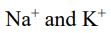
80. Which of the following statements describes P-type ATPases is NOT correct? (A) P-type ATPases are cation transporters that are reversibly phosphorylated by ATP. (B) Phosphorylation of P-type ATPases forces a conformational change that moves cations across the membrane. (C) The ATPase is a symporter for ions in animal cells. (D) P-type ATPases are sensitive to inhibition by vanadate. (E) P-type ATPases are found only in eukaryotes.
81. Which of the following has the lowest protein content (as a percentage of dry weight)? (A) Chylomicron (B) VLDL (C) IDL (D) LDL (E) HDL
82. The following are intermediate products in cholesterol synthesis. Please select the correct order of the synthesis pathway.
① Acetyl-CoA ② Activated isoprene ③ Cholesterol ④ Lanosterol ⑤ Mevalonate ⑥ Squalene (A) ①→⑤→②→④→⑥→③ (B) ①→②→⑤→⑥→④→③ (C) ①→⑤→⑥→②→④→③ (D) ①→⑤→②→⑥→④→③ (E) ⑤→①→②→⑥→③→④
83. Which of the following statements correctly describes how miRNA degrades target mRNA? (A) After mature miRNA binds to RISC, it suppresses translation when partially complementary to the mRNA. (B) miRNA directly binds to the mRNA poly-A tail to promote its degradation. (C) miRNA functions in the nucleus and promotes mRNA degradation by altering DNA methylation. (D) miRNA inhibits mRNA transcription by interfering with RNA polymerase II, ultimately leading to mRNA degradation. (E) Dicer cleaves pri-miRNA in the nucleus, while Drosha processes pre-miRNA in the cytoplasm.
84. ① is one of the enzymes that appears in ② . Which one of the following is NOT correct? (A) ① Arginase; ② urea cycle (B) ① Pyruvate dehydrogenase; ② TCA cycle (C) ① Aspartate transcarbamoylase; ② the de novo biosynthesis of pyrimidine (D) ① Glucose-6-phosphate dehydrogenase; ② the pentose phosphate pathway (E) ① Ribonucleotide reductase; ② the de novo biosynthesis of dNTP
85. Which of the following statements about amylose and cellulose is correct?
① The sugar residue in amylose and cellulose is glucose.
② Amylose is the storage polysaccharide, and cellulose is the structural polysaccharide.
③ Amylose has a regular helical conformation.
④ Sugar residues in cellulose are connected by α(1→4) linkage.
⑤ Sugar residues in amylose are connected by β(1→4) linkage. (A) ①②③ (B) ①③④ (C) ①④⑤ (D) ②③④ (E) ②④⑤
86. Which of the following enzymes CANNOT reduce ubiquinone (Q) to ubiquinol (QH₂) in the mitochondrial electron transport chain? (A) Dihydroorotate dehydrogenase (B) Succinate dehydrogenase (C) ETF: ubiquinone oxidoreductase (D) ATP synthase (E) Glycerol 3-phosphate dehydrogenase
87. Which of the following statements about the pentose phosphate pathway is correct?
① The pentose phosphate pathway produces NADPH and ribose-5-phosphate.
② The pentose phosphate pathway begins with the oxidation of glucose-1-phosphate.
③ The pentose phosphate pathway consists of oxidative and non-oxidative reactions.
④ The pentose phosphate pathway is also known as hexose monophosphate shunt.
⑤ The oxidative phase of the pentose phosphate produces one molecule of NADPH. (A) ①②③ (B) ①③④ (C) ①③⑤ (D) ①④⑤ (E) ①②④
88. Which of the following statements about glycogenolysis is correct?
① Epinepherine promotes glycogenolysis in muscle.
② Glucagon promotes glycogenolysis in liver.
③ Insulin promotes glycogenolysis in liver.
④ Phosphorylase b catalyzes the breakdown of glycogen into glucose.
⑤ Phosphorylase a catalyzes the breakdown of glycogen into glucose-1-phosphate. (A) ①②③ (B) ①②④ (C) ①②⑤ (D) ②③④ (E) ②④⑤
89. Which of the following statements is NOT correct regarding the interaction of carbon monoxide (CO) with hemoglobin (Hb)? (A) A Hb with two bound CO molecules releases little oxygen in the tissues. (B) Fetal Hb has a higher affinity for CO than adult Hb. (C) Removing CO-poisoned person from CO-polluted site results in slowly dropping of COHb level. (D) As CO bind to two Hb subunits, the affinity for oxygen is decreased in the remaining substrates. (E) The CO-oxygen exchange can be accelerated by 100% oxygen at a pressure of 3 atm.
90. Which of the following statements is correct regarding reversible inhibition of enzymes?
① The catalytic efficiency of enzyme is in the presence of competitive inhibitors.
② Competitive inhibitors are substrate analogs or transtion state analogs.
③ Uncompetitive inhibitors combine only with enzyme-substrate complex.
④ In the presence of inhibitors, the initial rate of enzyme-catalyzed reactions is positively correlated with substrate concentration.
⑤ The binding of noncompetitive inhibitors to enzymes is inhibited by substrate. (A) ①②③ (B) ②③④ (C) ③④⑤ (D) ①③④ (E) ②④⑤
 阿摩線上測驗
登入
 (B) Cobalamin (Vitamin
 ) (C) Thiamine pyrophosphate (TPP) (D) Pyridoxal phosphate (PLP) (E) Magnesium ion

 of 30 µM/min and a Michaelis constant
 of 50 µM. If the substrate concentration ([S]) is 25 µM, what is the reaction velocity (v)? (A) 7.5 μM/min (B) 10 μM/min (C) 15 μM/min (D) 20 μM/min (E) 25 μM/min
 (B) Initial binding of mRNA requires a 7-methylguanosine cap. (C) Selection of a start codon is according to Kozak’s sequence. (D) The termination factor is eRF. (E) The ribosomes composition are 80S ribosomes.
 -methylene-tetrafolate to dTMP and dihydrofolate.
 -methylene-tetrafolate to dTDP and dihydrofolate.
 -methylene-tetrafolate to dTMP and tetrahydrofolate.
 ⑤ β-alanine

 protein is correct?
 proteins displays GTPase activity.
 proteins has a GTP binding site.
 protein is involved in activating adenylate cyclase.
 ATPase is a symporter for
 ions in animal cells. (D) P-type ATPases are sensitive to inhibition by vanadate. (E) P-type ATPases are found only in eukaryotes.
 in the presence of competitive inhibitors.