所屬科目:學士後 - 普通生物學(生物學)
1.What factor is most critical for enhancing resolution when observing cell structures under a microscope? (A) Illumination source; (B) Illumination wavelength; (C) Staining; (D) Fluorescence labeling.
2.Which of the following is NOT considered an organelle in plant cells? (A) Cell wall; (B) Central vacuole; (C) Centrosome; (D) Chloroplast.
3.Which cell organelle plays a central role in the process of autophagy? (A) Lysosome; (B) Mitochondrion; (C) Peroxisome; (D) Ribosome.
4.Which of the following substances requires active transport to cross the cellular membrane? (A)(B) O2; (C) Ethanol; (D) H2O.
5.Which of the following factors does NOT contribute to protein-protein interactions? (A) Disulfide bond; (B) Ionic bond; (C) Hydrogen bond; (D) Van der Waals forces.
6.Which of the following catabolites can directly enter the Krebs cycle? (A) α-ketoglutarate; (B) Fatty acid; (C) Glycerol; (D) Pyruvate.
7.Which of the following acts as an electron donor in the mitochondrial electron transport chain? (A) H2O; (B) CO2; (C) O2; (D) FADH2.
8.Which of the following are the products of the light reactions in plant photosynthesis? (A) O2 and glucose; (B) O2, H2O, and ATP; (C) O2, ATP, and glucose; (D) O2, ATP, and NADPH.
9.What is the intermediate product formed during carbon fixation in C4 plants? (A) 3-phosphoglycerate; (B) Phosphoenolpyruvate; (C) Oxaloacetate; (D) Glyceraldehyde-3-phosphate.
10.Which of the following molecules acts as a secondary messenger in many cellular signal transduction pathways? (A) ATP; (B) GTP; (C) cAMP; (D) ADP.
11.Which of the following is associated with the lagging strand during DNA replication, form in short segments? (A) Otani fragment; (B) Okazaki fragment; (C) Kawasaki fragment; (D) Yamazaki fragment.
12.During gene translation, the codon “AUG” serves as the start signal, while “UAA”, “UAG”, and “UGA” function as stop codons. Given the coding sequence “5´-ACTGCATGCGCTTAGACCAATGCCCATGCCTCGGGGAATGAATCC3´”, an open reading frame (ORF) is present. Based on this sequence, how many amino acid residues are encoded within the ORF? (A) 9; (B) 11; (C) 12; (D) 15.
13.Which of the following eukaryotic non-coding RNAs (ncRNAs) plays a role in the cellular defense mechanism against viral infections? (A) CRISPR RNA (crRNA); (B) microRNA (miRNA); (C) ribosomal RNA (rRNA); (D) small-interfering RNA (siRNA).
14.Which factor plays a pivotal role in regulating lactose metabolism in Escherichia coli? (A) Lactose concentration; (B) Glucose concentration; (C) β-galactosidase concentration; (D) lactose permease concentration.
15.What type of mutation results from the addition of a single nucleotide into a structural gene, potentially altering the reading frame of the gene? (A) Silent mutation; (B) Missense mutation; (C) Nonsense mutation; (D) Frameshift mutation.
16.Which of the following genes encodes a protein involved in the cell growth signaling pathway, where mutations lead to its overexpression and uncontrolled cell division? (A) BRCA-1; (B) p53; (C) ras; (D) Rb.
17.Down syndrome is a human genetic disorder caused by the presence of an extra copy of which chromosome? (A) Chromosome 13; (B) Chromosome 18; (C) Chromosome 21; (D) Chromosome 23.
18.What term describes a heritable change in gene expression that occurs without alterations to the DNA sequence? (A) Epistasis; (B) Epigenetic inheritance; (C) Maternal inheritance; (D) X-linked inheritance.
19.Which of the following mutagens induces the deamination of nitrogenous bases in DNA, leading to base-pair substitutions? (A) 5-bromouracil; (B) Ethyl methane sulfonate; (C) Nitrous acid; (D) UV light.
20.Which of the following techniques is NOT primarily used for studying gene expression? (A) In situ hybridization; (B) RNA sequencing (RNA-seq); (C) Polymerase chain reaction (PCR); (D) Microarrays.
21.Which of the following viruses has the potential to contribute to tumor or cancer development? (A) Human hepatitis B virus; (B) Human immunodeficiency virus; (C) Influenza A virus; (D) Poliovirus.
22.Gram staining is a conventional technique used to differentiate bacteria based on the structure of which cellular component? (A) Capsule; (B) Cell wall; (C) Endospore; (D) Flagellum.
23.Which mode of bacterial gene transfer involves the uptake of free, extracellular DNA from the environment? (A) Conjugation; (B) Transduction; (C) Transfection; (D) Transformation.
24.Which of the following bacteria contains a virulent Ti plasmid that contributes to the development of plant genetic engineering? (A) Agrobacterium tumefaciens; (B) Bacillus subtilis; (C) Ralstonia solanacearum; (D) Xanthomonas campestris.
25.Which of the following is the endotoxin and key virulence factor of Escherichia coli? (A) Cell wall; (B) Flagellum; (C) Inclusion body; (D) Lipopolysaccharide.
26.Which of the following fungal spores are produced through mitotic division? (A) Ascospores; (B) Basidiospores; (C) Conidia; (D) Zygospores.
27.Which of the following techniques is most suitable for studying environmental microbiomes? (A) CRISPR/Cas technology; (B) Metagenome sequencing; (C) Microarray; (D) Polymerase chain reaction.
28.Which of the following organ systems is absent in nematodes (roundworms)? (A) Nervous system; (B) Reproductive system; (C) Circulatory system; (D) Digestive system.
29.Which transport pathway allows substances to move from root hairs to the xylem through plasmodesmata in plant roots? (A) Apoplastic transport; (B) Transmembrane transport; (C) Facilitated diffusion; (D) Symplastic transport.
30.Which floral structure develops into the fruit after fertilization? (A) Ovary; (B) Ovule; (C) Embryo sac; (D) Integument.
31.Which of the following plant hormones is primarily responsible for inhibiting seed germination? (A) Abscisic acid; (B) Ethylene; (C) Gibberellic acid; (D) Indoleacetic acid.
32.Which plant hormone is involved in defense responses against biotic stresses, such as herbivores and pathogens? (A) Abscisic acid; (B) Ethylene; (C) Gibberellic acid; (D) Indoleacetic acid.
33.Which root tissue gives rise to lateral roots in a taproot system? (A) Cortex; (B) Endodermis; (C) Epidermis; (D) Pericycle.
34.Which environmental factor regulates vernalization, enabling flowering in certain plants? (A) Day length; (B) Flooding; (C) Light intensity; (D) Low temperature.
35.Which of the following describes a fungal symbiotic relationship that enhances plant growth? (A) Mycorrhizae; (B) Epiphytes; (C) Root nodules; (D) Phytoremediation.
36.In which organ do T cells undergo maturation? (A) Bone marrow; (B) Liver; (C) Thymus; (D) Spleen.
37.Which antibody activates the classical complement pathway? (A) IgA; (B) IgD; (C) IgE; (D) IgG.
38.Which of the following is NOT an antigen-presenting cell? (A) Natural killer cells; (B) B cells; (C) Macrophages; (D) Dendritic cells.
39.Which of the following is primarily responsible for initiating an allergic response? (A) Complements; (B) Cytokines; (C) Histamine; (D) IgE.
40.Which immune cell is the primary target of human immunodeficiency virus (HIV) infection, leading to immune system collapse? (A) Cytotoxic T cells; (B) Helper T cells; (C) Regulatory T cells; (D) Plasma cells.
41.Muscle cells are stimulated by acetylcholine released from the terminals of (A) transverse tubules; (B) motor neuron axons; (C) sensory cell axons ; (D) motor neuron dendrites.
42.Animals capable of producing their own body heat by way of metabolism and of retaining it are said to be (A) metabolic; (B) thermogenic; (C) thermodynamic; (D) endothermic.
43.Birds are different from all other living vertebrates because they (A) can fly; (B) lack teeth; (C) have feathers; (D) are bipedal.
44.Evolutionarily, the jaws of vertebrates developed from (A) the circular mouth of lampreys; (B) the last pharyngeal arch of jawless fishes; (C) the third pharyngeal arch of jawless fishes; (D) the operculum.
45.Reptiles are better adapted to life on land than are amphibians. Which external characteristic would a reptile have to lose to make it roughly externally equivalent to an amphibian in terms of ability to tolerate dry land? (A) scales; (B) vertebral column; (C) eyelids; (D) limbs.
46.A creature that does NOT have an endoskeleton is the (A) starfish; (B) sea sponge (C) crocodile; (D) beetle.
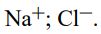
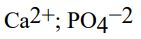
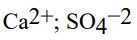
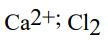
47.Vertebrate bone consists primarily of a crystalline mixture of (A)(B)(C)(D)
48.Which major tissue type exhibits the shortening of its cells (i.e., contraction) as a major function? (A) Nervous; (B) Muscle; (C) Epithelial; (D) Connective.
49.Connective tissue serves to support and bind other tissues. Which of the following is NOT an example of connective tissue? (A) Bone; (B) Cartilage; (C) Neurons; (D) Fat.
50.Collagen is a tough, stretch-resistant protein. You would be most likely to find collagen in which tissue type? (A) Nervous; (B) Muscle; (C) Epithelial; (D) Connective.
51.In all animals, the largest percentage of the body's fluids are located in the: (A) intracellular compartment; (B) extracellular compartment; (C) interstitial fluid; (D) plasma.
52.If you placed a red blood cell in a solution that contains less solute than the cell, you would predict that its volume would ________ while the solute concentration in its cytoplasm would ________. (A) increase; increase; (B) increase; decrease; (C) decrease; increase; (D) decrease; decrease.
53.A cat undergoing surgery has a hemorrhage of 20 ml of blood, from a total blood volume of about 220 ml. How would you expect the cat's blood pressure to respond, assuming the hemorrhage is stopped but no other action is taken? (A) Blood pressure may increase temporarily, then normalize. (B) Blood pressure may drop temporarily, then normalize. (C) Blood pressure will increase for a few hours. (D) Blood pressure will decrease for a few hours.
54.Imagine that a mutant mouse has a defect in the distribution of norepinephrine receptors, so that all the arteries and arterioles carry the type of norepinephrine receptor normally found around the brain and heart. What would you predict for this mouse in response to hemorrhage? (A) Vessels throughout the body will stay dilated, resulting in inadequate blood flow to the brain and heart. (B) Vasoconstriction near the brain and heart will prevent enough blood from reaching those organs. (C) Blood vessels near the brain and heart will be dilated, while blood vessels elsewhere will constrict. (D) Blood vessels near the brain and heart will constrict, while blood vessels elsewhere will be dilated.
55.Birds store food in a modified portion of the lower esophagus called the (A) crop; (B) epiglottis; (C) gizzard; (D) alimentary canal.
56.In the mammalian digestive system, what is the primary site of nutrient absorption? (A) pharynx; (B) stomach; (C) small intestine; (D) large intestine.
57.In the stomach, food processing continues and secretions from stomach glands aid the initial digestion of (A) carbohydrates; (B) lipids; (C) nucleic acids; (D) proteins.
58.The diarrhea that is a symptom of diseases like cholera is due to problems in the function of the (A) stomach; (B) small intestine; (C) large intestine; (D) appendix.
59.Cows are able to survive on a diet consisting almost entirely of cellulose because(A) cows are autotrophic; (B) cows can manufacture all 20 amino acids out of sugars in the liver; (C) unlike humans, the saliva the cow produces has enzymes capable of digesting cellulose; (D) cows have cellulose-digesting, symbiotic microorganisms in their rumens.
60.Most nutrients are absorbed across the epithelium of the (A) colon; (B) stomach; (C) small intestine; (D) large intestine.
61.How does the digestion and absorption of fat differ from that of carbohydrates? (A) Processing of fat does not require any digestive enzymes, whereas the processing of carbohydrates does. (B) Most absorbed fat enters the lymphatic system, whereas carbohydrates directly enter the blood. (C) Carbohydrates need to be emulsified before they can be digested, whereas fats do not. (D) Fat absorption occurs in the stomach, whereas carbohydrates are absorbed from the small intestine.
62.Bile is crucial for ________ digestion because of its function in ________. (A) protein; protecting the stomach lining; (B) fat; solubilizing glycerol: fatty acid bonds; (C) nucleic acids; uncoiling DNA strands; (D) fat; emulsification.
63.Triglycerides are stored primarily in this type of tissue (A) nervous; (B) adipose; (C) muscular; (D) epithelial.
64.Conversion of excess amino acids into carbohydrate and fats during the absorptive state takes place in the (A) liver; (B) brain; (C) intestine; (D) kidney.
65.The phenomenon of "glucose sparing" depends most critically on (A) glycogenolysis; (B) protein synthesis; (C) lipolysis; (D) lipogenesis.
66.Which hormone increases the absorption of glucose by the body's cells? (A) insulin; (B) glucagon; (C) adrenocorticotropin; (D) leptin.
67.The energy expenditure of a mammal at rest, in the postabsorptive state, and at a standard temperature is referred to as its (A) basal metabolic rate; (B) standardized metabolic rate; (C) baseline metabolic rate; (D) activated metabolic rate.
68.Imagine you conduct a parabiosis experiment with two strains of mice, one of which lacks a functional leptin gene (ob strain) while the other lacks a functional receptor for this hormone (db strain). Which of the following outcomes would you observe? (A) no weight change in the ob mouse; (B) decreased body weight in the db mouse; (C) increased body weight in the ob mouse; (D) decreased body weight in the ob mouse.
69.The best terms for a fish whose body temperature varied between 4oC during the day when it is in deep, cold ocean waters and 26oC during the night when it comes to the surface to feed would be (A) endothermic and homeothermic; (B) endothermic and heterothermic; (C) ectothermic and homeothermic; (D) ectothermic and heterothermic.
70.Which of the following hormones stimulates uterine contractions during the birth process in mammals? (A) oxytocin; (B) testosterone; (C) FSH; (D) chorionic gonadotropin.
71.Maintenance of the uterine lining during pregnancy in mammals requires (A) estradiol; (B) progesterone; (C) FSH; (D) LH.
72.Sexual reproduction (A) allows more offspring to be produced per individual. (B) allows a parent to pass on 100% of their genes to offspring. (C) increases genetic variation. (D) results in the formation of a haploid zygote.
73.What cell is haploid? (A) oogonium; (B) zygote; (C) primary oocyte; (D) ovum.
74.In female mammals, germ cells (A) are not produced until puberty. (B) are arrested in meiosis I until puberty. (C) develop into fully mature gametes before birth.(D) arrested in meiosis II until puberty.
75.How does the embryo of an egg-laying animal obtain nutrients for growth? (A) from the mother's body; (B) from the yolk of the egg; (C) through tiny pores in the shell of the egg; (D) from the amniotic sac.
76.Fertilization of an ovum normally occurs in the (A) uterus; (B) ovary; (C) oviduct; (D) vagina.
77.In your biology lab, you are given a vial that contains fish urine. Your assignment is to predict whether the urine came from a fresh- or saltwater species. You discover that the urine contains a high concentration of salts. What is your prediction for the fish's habitat? What is the concentration of solutes in the fish relative to its environment? (A) Freshwater; hypoosmotic; (B) Freshwater; hyperosmotic; (C) Marine; hypoosmotic; (D) Marine; hyperosmotic.
78.Classical conditioning such as the salivating of Pavlov's dog in response to a metronome is based on a(n) (A) operant condition; (B) sign stimulus; (C) involuntary response; (D) dishabituation.
79.What is the process through which many animals develop irreversible speciesspecific behavior patterns? (A) altruism; (B) imprinting; (C) operant conditioning; (D) cognitive learning.
80.In the island biogeography model, species richness is a balance between (A) immigration and extinction; (B) inhibition and facilitation; (C) emigration and speciation; (D) tolerance and inhibition.
 阿摩線上測驗
登入
 (B) O2; (C) Ethanol; (D) H2O.
 (B)
 (C)
 (D)